
We build the platforms modern defense actually depends on. System by System. In the process, we're building an ecosystem — from the ground up.
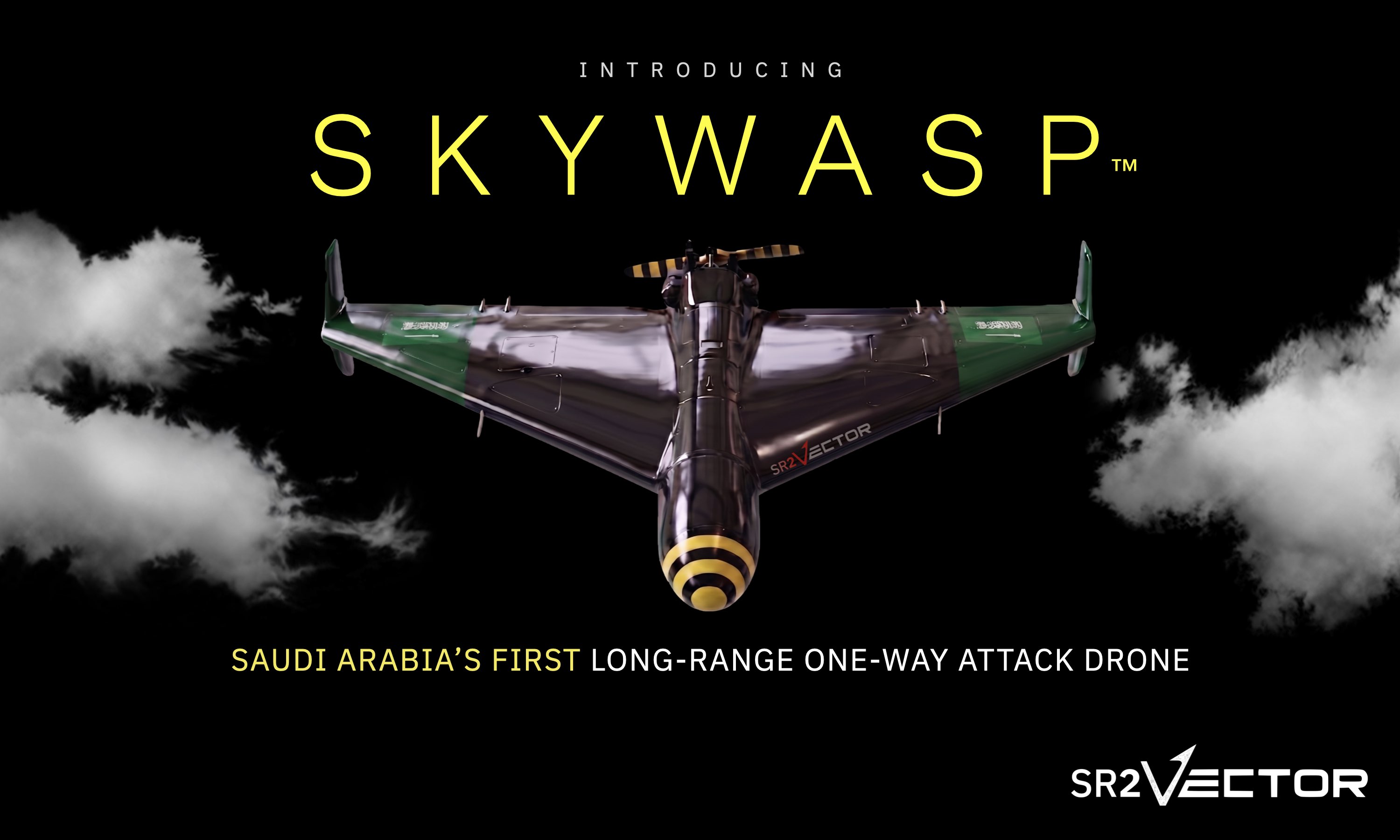
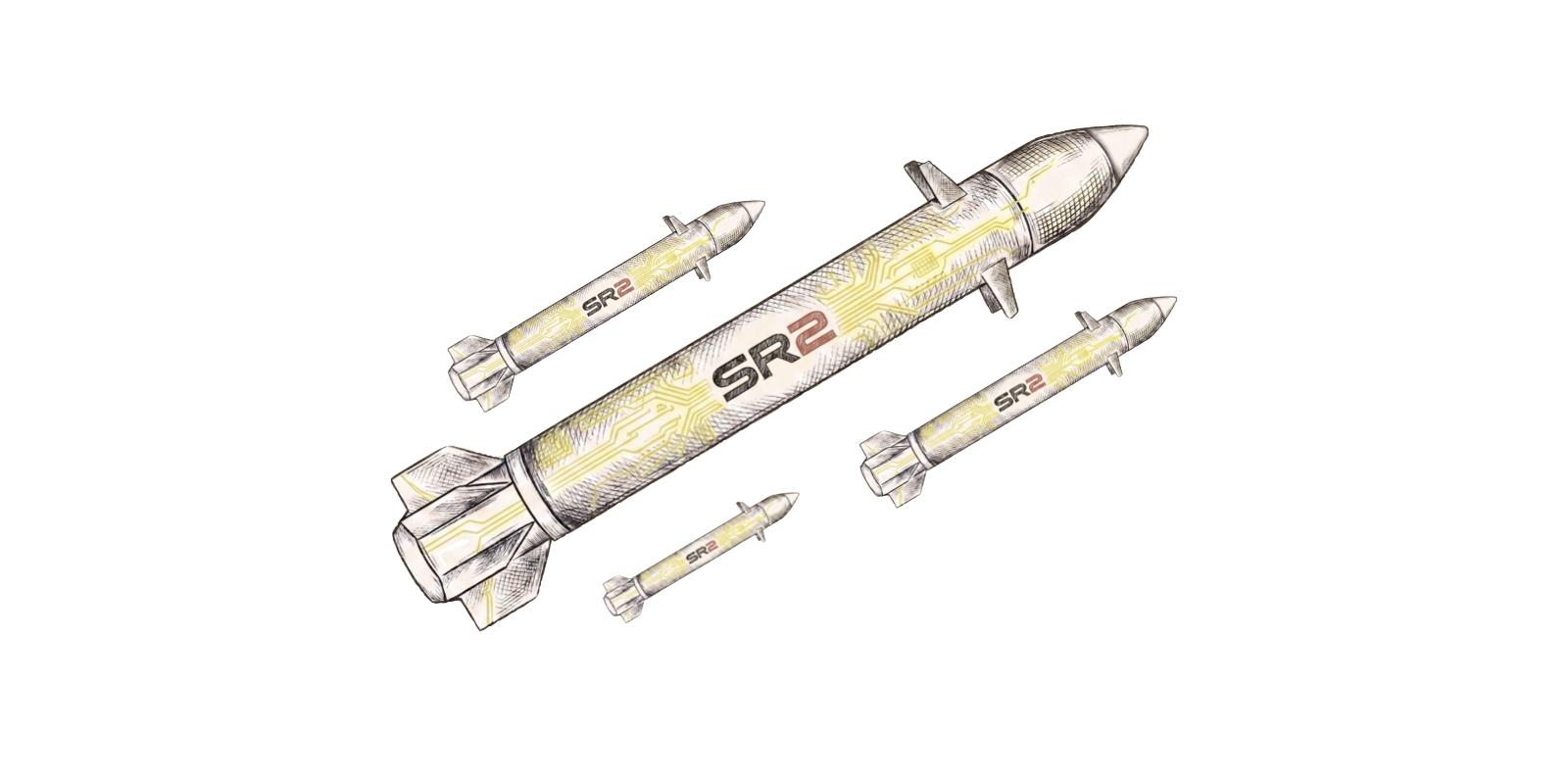
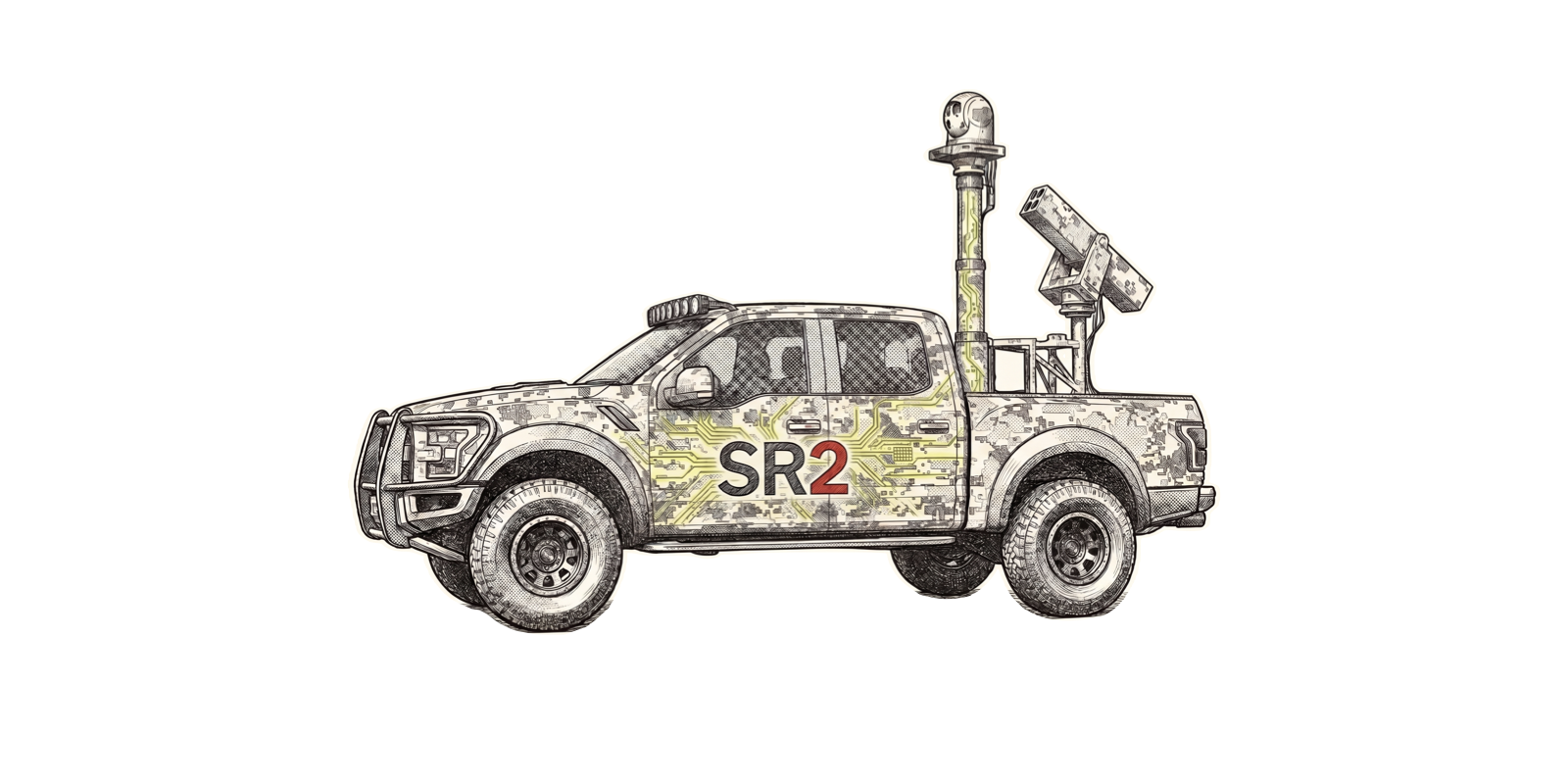
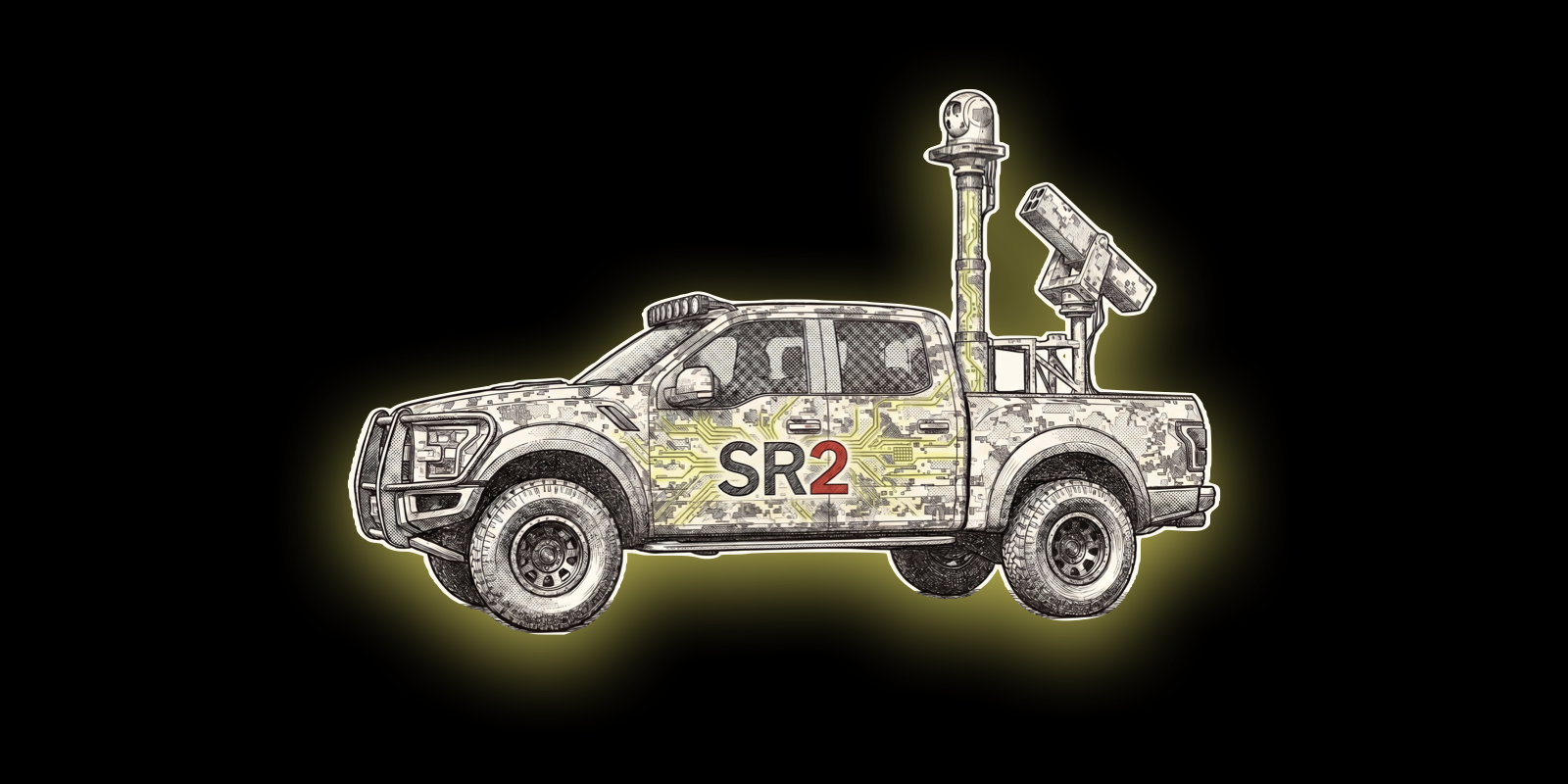
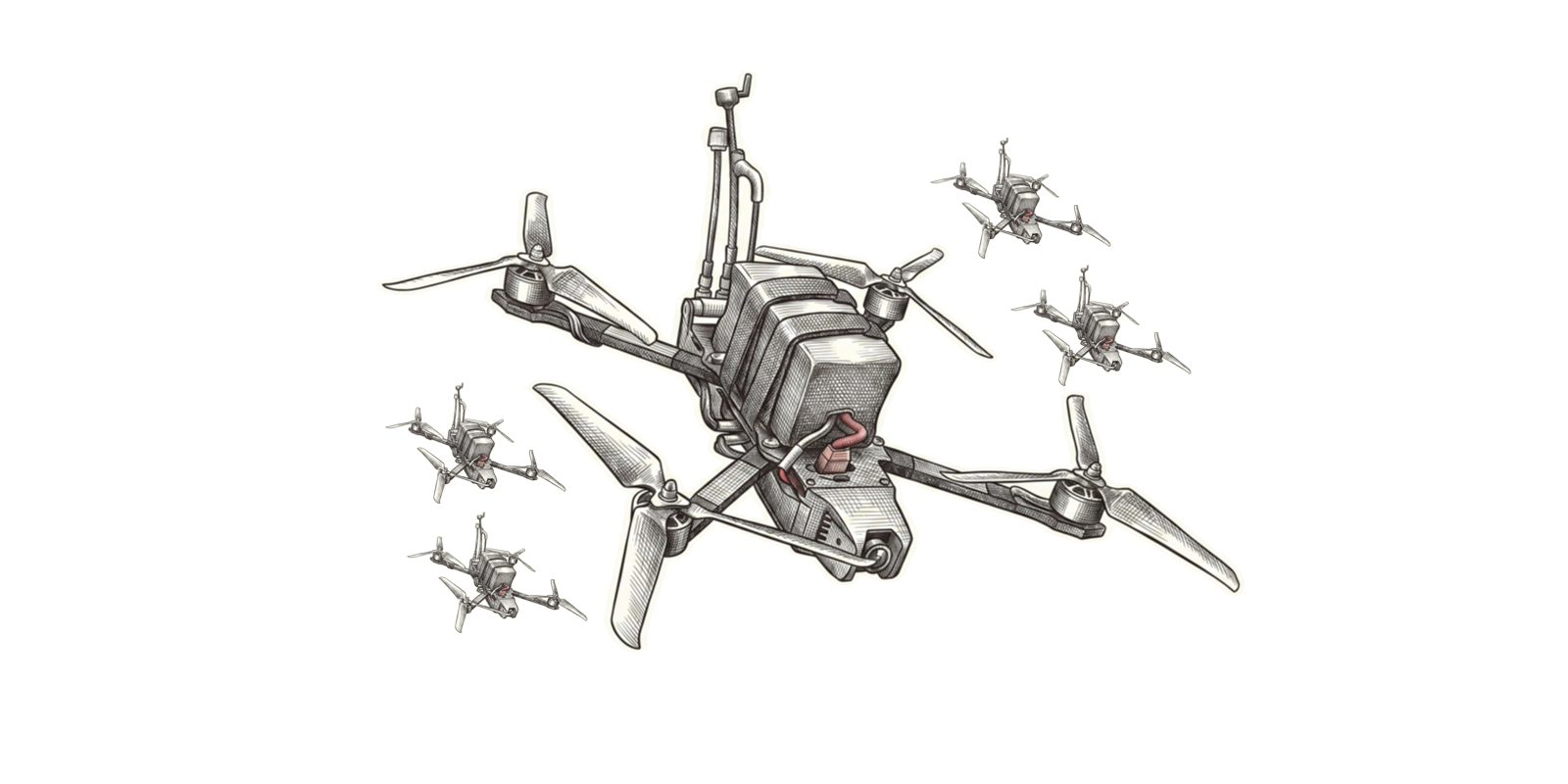
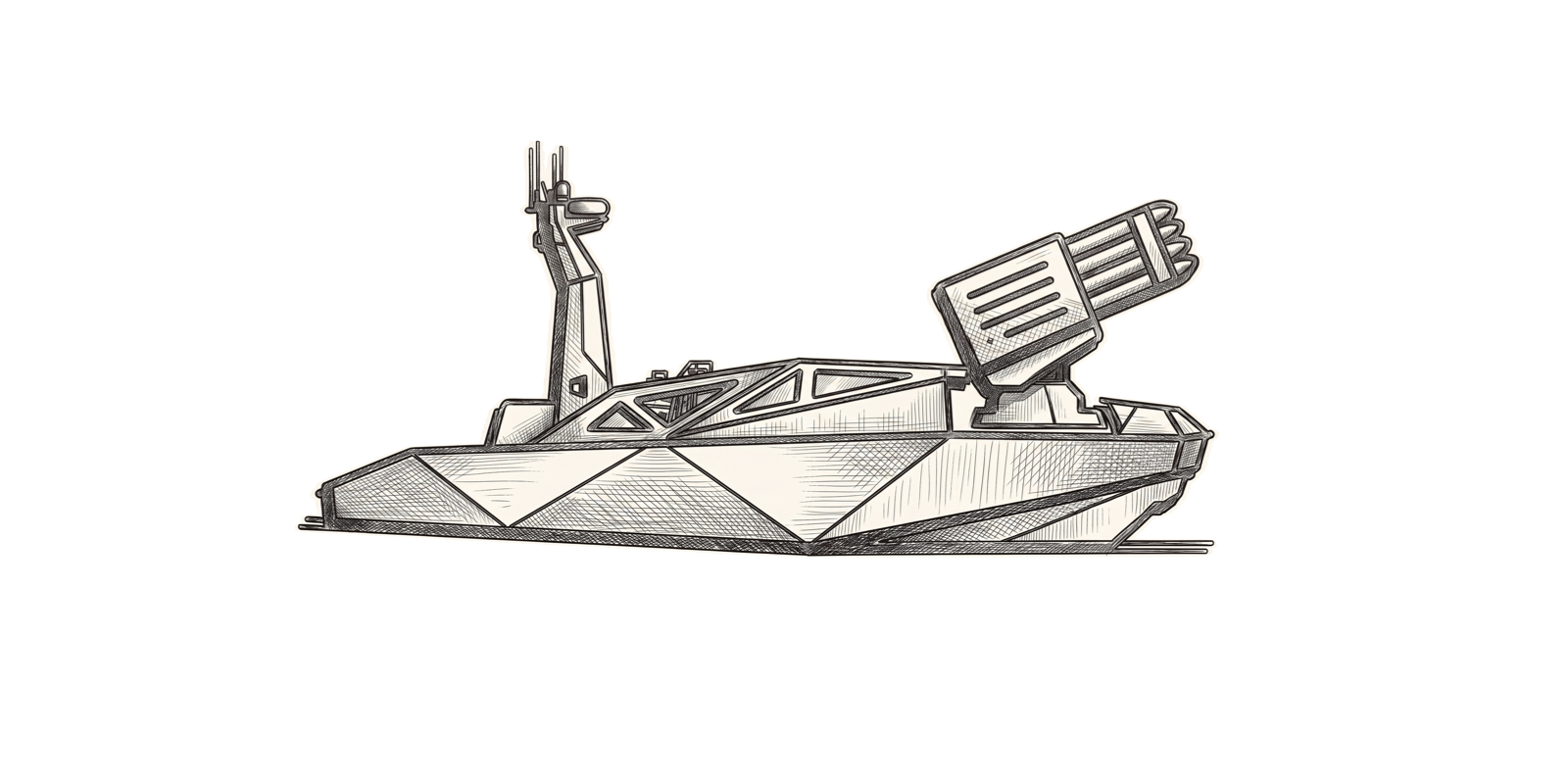
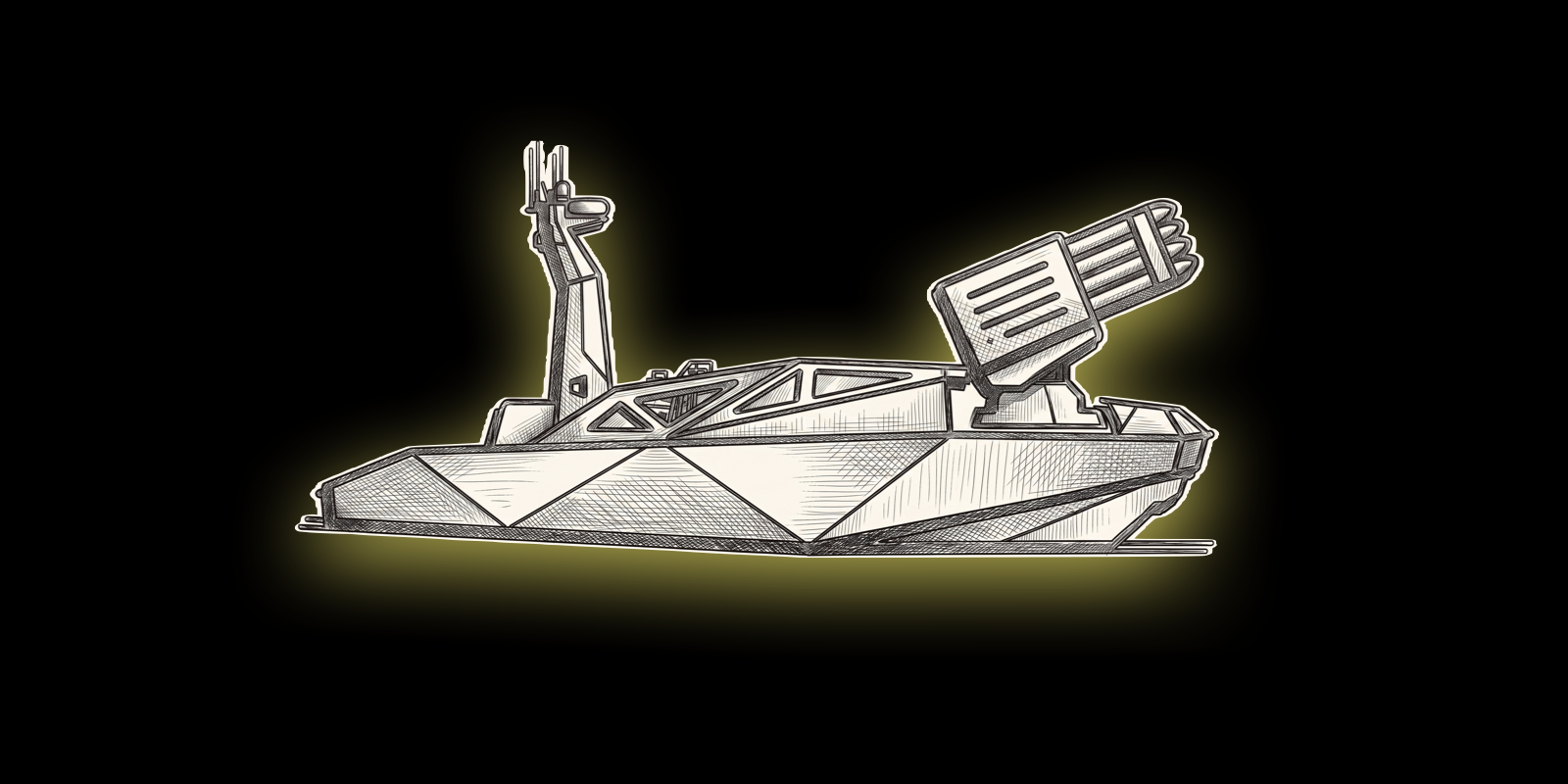
What does it look like for the Kingdom to build advanced defense technologies for today and tomorrow's defense, not for yesterday's conflicts?
The systems on this page are the answer to that question, and that's by design. We build for the local and global need now, for the conflicts of today and tomorrow. That's where we start — we build what is globally in-demand not just in Saudi Arabia, but around the world from the U.S., NATO and its allies.
Every category meets the same three tests. The technology is proven; already trusted by the warfighter. The end-user demand is not just local, but global — these are the world's best systems. And the production model is built for the private sector to lead, at the speed, precision, and capital discipline to attack the gaps that exist in Saudi Arabia and with allies worldwide. Where others see gaps as failures or insurmountable obstacles, we see the opportunity of a generation.
Four of the six are platform categories: the kinetic layer the warfighter holds, fires, launches, and operates. Two are capability categories: what makes the kinetic layer work. Together they form a coherent direction of what we build, which is the future of defense. What will result is the activation of Saudi Arabia as a global defense industrial powerhouse, one system at a time.
What does it take to build at the speed the moment demands?
Every category here follows the same path. SR2 identifies the gap. SR2 secures the technology partnership with a US or allied OEM whose system is already proven in the field. The program is structured into a special-purpose vehicle, with the capital architecture in place before deployment begins. The manufacturing footprint is stood up — ITAR-compliant, NATO-compliant, sovereign in-Kingdom. And the system reaches the end user at the price point and timeline competitive markets reward.
The sequencing is deliberate. Most defense industrialization efforts begin with a factory and then go looking for a product to make in it. They build companies first, not systems. The result is a company that makes little of use today, with no agility to change. We're inverting that approach and innovating at speed: SR2 begins with the product, validates the demand, secures the technology, and then builds the line. Every step is sequenced against global commercial reality, not a strategic intention.
That is what lets the private sector move faster than the alternative. There is no internal negotiation, no waiting on a budget cycle, no capacity built against hope. Every SR2 SPV exists because the market demands it.
What does sovereignty look like when it is built on what already works?
Modern conflict has moved faster than the procurement cycles built to supply it. The systems that win today are the ones being used today — refined against active threats, iterated against real countermeasures, validated by warfighters who depend on them to come home.
SR2 does not develop unproven technology. SR2 does not manufacture ideas. SR2 does not bet the Kingdom's industrial base on what might work. Every system brought into in-Kingdom production is proven.
The Kingdom does not need to absorb the risk of technology development — and efforts to do so before the rest of the ecosystem is ready is well-meaning but not helpful in securing the Kingdom of today or tomorrow. The world's leading defense innovators have already done that work, at cost, against the threats that matter. SR2's role is to bring those systems into in-Kingdom production at the scale Saudi Arabia and its allies need, while the systems are still relevant to the fight.
What does it mean to build an ecosystem, not a factory?
It looks like a manufacturing ecosystem, and that's what we're building for the first time in Saudi Arabia. SR2 exclusively works with the capabilities available today in Saudi Arabia while building those of tomorrow. Each facility is purpose-built for the category it serves.
What unifies the footprint is the operating model: the same partnership architecture, the same capital discipline, the same compliance posture, the same commitment to sovereign in-Kingdom control. The result is not a single factory. It is an industrial base — a portfolio of facilities, each tuned to its category, all operating under SR2's manufacturing authority.
The Kingdom has had defense manufacturing. It has not had a private-sector industrial base capable of moving across categories at the pace the current security environment demands. SR2 is what that base looks like.
One category at a time. One facility at a time. One delivery at a time. Until the base exists.